AI dubbing vs human dubbing: which should you use?
Updated October 2026
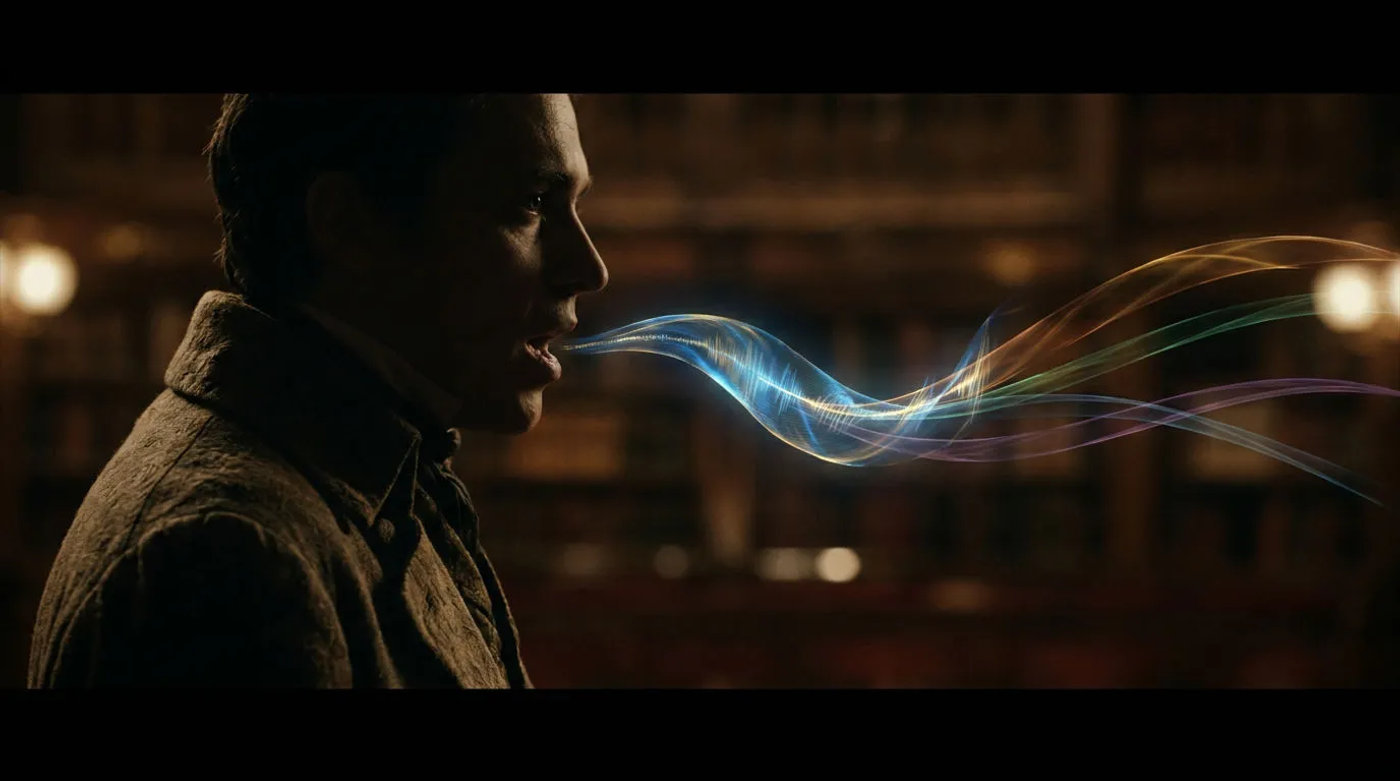
AI dubbing wins decisively on cost, speed and scale: a clip is transcribed, translated and re-voiced in minutes, at a fraction of a studio booking, in language after language. Human dubbing still wins where it counts most for premium work, the emotional read, the idiom that does not translate literally, and a performance direction can take, note by note. For most volume and most markets, AI dubbing is now good enough to ship; for a flagship title or a comedy that lives on timing, a human dub still earns its cost. The honest answer is to use both, AI for reach and a human pass where the performance carries the show.
AI dubbing vs human dubbing at a glance
| AI dubbing | Human dubbing | MorphicOur pick | |
|---|---|---|---|
| Cost | Low per language | Studio, cast and director rates | Billed on source length, free tier on |
| Speed | Minutes per clip | Days to weeks per title | A clip dubbed in one sitting |
| Scale | Language after language | One cast and booth per language | One pass per target language |
| Emotion and delivery | Good, improving; can flatten | A directed human performance | Speech-to-speech keeps the original delivery |
| Idiom and localization | Literal unless guided | A translator adapts the meaning | Key terms ride along; a human still adapts idiom |
| Lip sync | A separate audio-driven step | Timed to the actor in the booth | Run lip sync after the dub for a talking picture |
| Review and control | Re-run with new settings | Re-record in the booth | Voice stability, similarity and style settable |
| Source material | Any audio or video clip | A finished mix and session | Audio or video, one source file per pass |
| Best for | Volume, many markets, fast turnarounds | Flagship titles, comedy, nuance | Dubbing episodes into market after market |
Or do both in one workspace
AI dubbing and human dubbing are usually framed as a choice. In practice most catalogues want both, AI for reach across many markets and a human pass where the performance carries the show, and the friction is doing them in separate tools.
Morphic runs the AI side as one pipeline: Copilot transcribes a clip, translates it, and re-voices it timed to the original, returning a dubbed audio track, for a video source too, one target language per pass. Run lip sync next and the on-screen mouth matches the new audio for a talking picture; lip sync works with many languages, so test your target on a scene first. Key terms like character names ride along, and voice stability, similarity and style are settable when a read needs adjusting. Dubbing is on every plan, billed on the length of the source. It will not replace a voice director for a flagship title that lives on nuance, but for localizing a season into market after market, it does the volume work a booth cannot.


Placed five shots on the timeline, in order, with their audio linked. Want me to change the cut?
How they compare, in detail
Cost
AI dubbing costs a fraction of a studio booking; human dubbing carries cast, booth and director rates per language.
bills a dub on the length of the source you dub, with the dubbing step on every plan including the free tier.
Speed
AI dubbing turns a clip around in minutes; human dubbing is days to weeks of translation, casting and recording.
dubs an audio or video clip in a single sitting, so a finished episode becomes a release in another market the same day.
Scale
AI dubbing adds a market as one more pass; human dubbing needs a fresh cast and booth for every language.
runs one dub per target language, so five markets is five passes rather than five separate castings.
Emotion and idiom
A human dub still owns emotional nuance and idiom; AI is strong and improving but can flatten a line or translate too literally.
re-voices a recorded performance into another voice with speech-to-speech, which keeps the original delivery rather than reading the line flat.
Lip sync
A dub produces a new audio track; getting the mouth to match it is a separate lip-sync step in an AI pipeline.
treats lip sync as a separate audio-driven step you run after the dub, matching the face to the new track for a talking picture.
Review and control
A human dub is corrected by re-recording; an AI dub is corrected by re-running with different settings or a guided glossary.
exposes voice stability, similarity and style, and lets key terms like names and show vocabulary ride along into the translation.
Which approach should you use?
The two are not mutually exclusive. Use this to decide per title, or per market.
| If you need | Pick | Why |
|---|---|---|
| Many languages on a tight budget | AI dubbing | Each market is one more pass, not one more casting and booth. |
| A flagship title where the performance carries it | Human dubbing | A directed human read owns emotional nuance and idiom. |
| To dub an episode the day it is finished | AI dubbing | Transcribe, translate and re-voice run in minutes, not weeks. |
| To keep the original delivery in a new voice | Morphic | Speech-to-speech re-voices a recorded performance and keeps the acting. |
| A talking picture, not just a new audio track | Morphic | Run lip sync after the dub to match the face to the new audio. |
What creators say about Morphic

This is a 100% AI-made film. But so well done!
This is how AI filmmaking should be done.
Very realistic and professionally written and directed by the @morphic team on their platform and without using Seedance 2.0

Morphic has been my first choice for image generation for more than 9 months now.
But it's also a great all-in-one platform that can fully support your entire creative workflow.
Highly recommend trying Morphic.

On Morphic Canvas, you can easily group and sort your files, making it a breeze to pick what you need or just grab everything at once. @morphic
Current obsession: GPT Image 2 on Morphic.
Simple pricing
Get started for free today, with the option to upgrade or cancel anytime.
Basic
2400 monthly credits
1 user only
All models
Workflows
Standard
3625 monthly credits
1 user only
All models
Workflows
Pro
6350 shared monthly credits
1 user
All models
Workflows
Max
24650 shared monthly credits
1 user
All models
Workflows
Enterprise
For higher limits
Custom
pricing and billing terms

Free
For playing around
$0
forever free